
Close to the Ghats, and it shows in the weather
Sitting at the foot of the Western Ghats, Sengottai gets more rain and humidity than the plains to the east, especially from June to September. Damp air is hard on wooden kitchens: carcasses near the sink swell, laminates lift at the edges and termites find their way into anything left untreated. That’s why so many Sengottai families replace a kitchen after only a few years.
Homes we see in Sengottai
Many houses here are older, with thick walls, deep niches and kitchens that were never planned for modular cabinets. Walls are rarely straight and floors often slope slightly towards a drain. We measure every wall on site and build to those measurements, then use fillers and adjustable legs so the finished kitchen looks straight even when the room isn’t.
What we usually recommend here
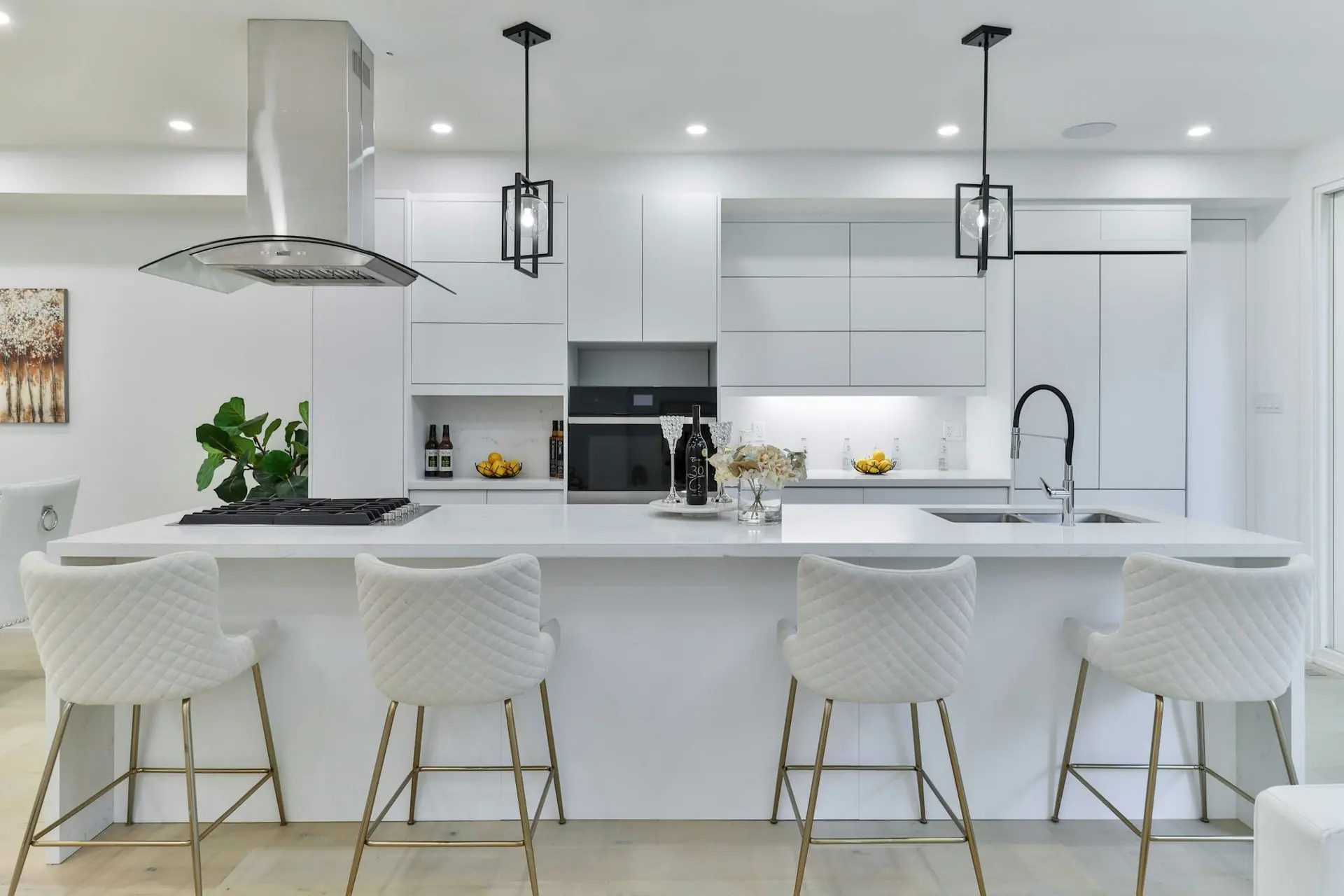
For the kitchen, aluminium cabinets with wood-grain or matte shutters: they won’t swell in the monsoon and they keep the warm look most families want. For wardrobes on outer walls, BWP-grade plywood with every edge sealed, kept slightly off the wall so air can move behind it. In older homes, built-in cupboards are a good way to turn deep wall niches into proper storage.
Caring for a kitchen near the hills
A few habits keep a Sengottai kitchen looking new: run the chimney for a few minutes after cooking so steam doesn’t settle on the wall units, wipe the countertop joint behind the sink dry, and leave the sink cabinet door open for an hour after a heavy wash day in the rains. With aluminium cabinets that’s about all the upkeep they ask for. No polishing, oiling or termite treatment.